 How to Get the Best from Your Lawn Fertiliser 🌱
A good lawn needs more than just regular mowing and watering. Giving your grass a feed with the right lawn fertiliser can help it stay green, healthy and strong throughout the year.
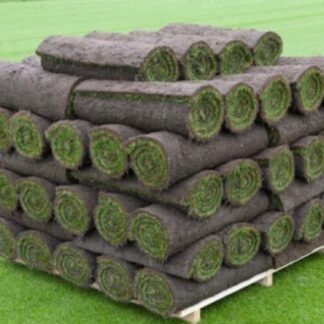
At Oakley Turf Farm, the turf we supply has been given a dose of fertiliser while it is growing in the fields to give it the nutrients it needs to establish a strong, healthy lawn. Once your fresh turf has been laid at home, a little care and the right feeding routine will help keep it looking its best.
When is the best time to fertilise your lawn?
Spring and autumn are generally the best times to feed your lawn.
🌱 Spring – A spring feed gives the grass a boost after winter and helps encourage fresh, healthy growth as temperatures rise.
🍂 Autumn – An autumn feed helps encourages your lawn recovery and improve root strength from the summer and prepares it for the colder months ahead.
Important Information
When buying fertiliser, you’ll notice that autumn formulas contain less nitrogen compared to spring fertilisers. This is because an excess of nitrogen in the autumn can lead to the development of fusarium, a type of white mold, which can cause significant damage to your lawn
Always choose a fertiliser suitable for the time of year and follow the manufacturer’s instructions carefully.
Our top lawn-feeding tips
✔ Don’t overfeed
More fertiliser doesn’t mean a greener lawn! Applying too much can damage the grass, so always stick to the recommended amount.
✔ Spread it evenly
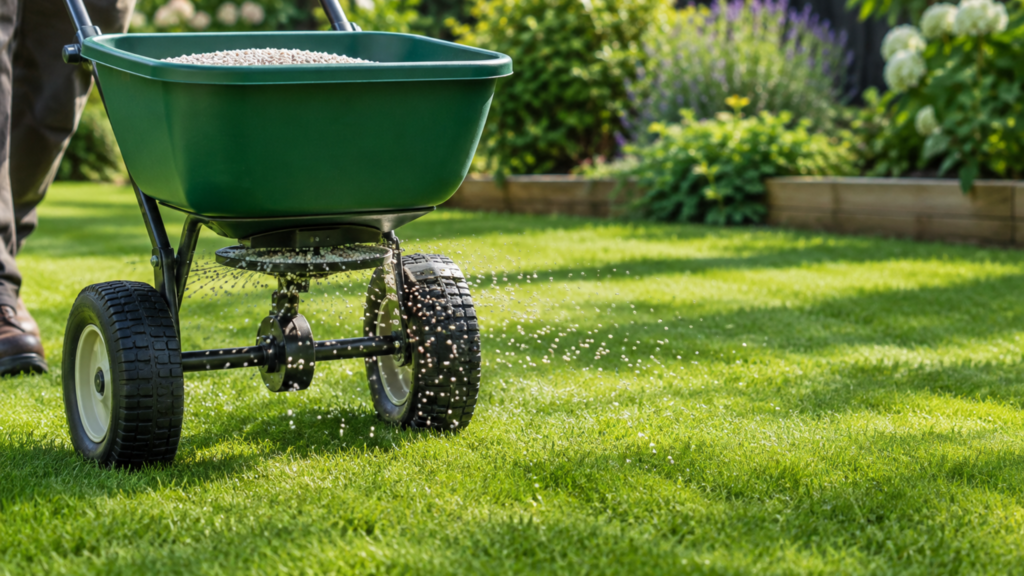
Uneven application can leave patches of darker grass or even scorch the lawn. A lawn spreader can make it much easier to achieve an even coverage.
✔ Water when needed
Many fertilisers need water to help them work their way into the soil. Check the instructions on your chosen product and avoid applying fertiliser during very hot, dry conditions unless watering is possible.
✔ Mow regularly, but don’t cut too short
Keeping your grass at a sensible height helps it stay healthier and better able to cope with dry weather.
✔ Give new turf time to establish
If you’ve recently laid fresh turf, make sure it has established well before applying fertiliser. Your new lawn already contains the nutrients it received while growing in the field, so there’s no need to rush into feeding it.
A little care goes a long way
A healthy lawn doesn’t happen overnight. Regular mowing, sensible watering and feeding at the right times of year will help your turf develop into a thick, healthy lawn that you can enjoy for years to come.
Why You Should Avoid Feeding Your Lawn in Summer and Winter 🌱
Although fertilising your lawn is an important part of keeping it healthy, timing is key. Spring and autumn are generally the best times to give your lawn a feed, while summer and winter are best avoided.
☀️ Why not fertilise in summer?
During hot, dry weather, your lawn can become stressed and may go into a dormant state to protect itself. Applying fertiliser when the grass is already struggling can do more harm than good.
If the lawn is dry, fertiliser can scorch the grass, leaving brown or damaged patches. Fertiliser also encourages new growth, which means the grass needs more water to support that growth — not ideal during periods of hot weather or water restrictions.
Our tip: During a hot summer, concentrate on keeping your lawn watered when necessary and avoid feeding it until the weather cools and the grass is actively growing again.
❄️ Why not fertilise in winter?
Grass growth slows considerably during the colder months. When the soil is cold, the grass can’t make good use of the nutrients in fertiliser.
Applying fertiliser in winter can therefore be largely wasted, as the grass isn’t actively growing enough to use it. Heavy rain can also wash nutrients through the soil before the grass has a chance to benefit from them.
Our tip: Wait until spring, when temperatures start to rise and your lawn begins actively growing again.